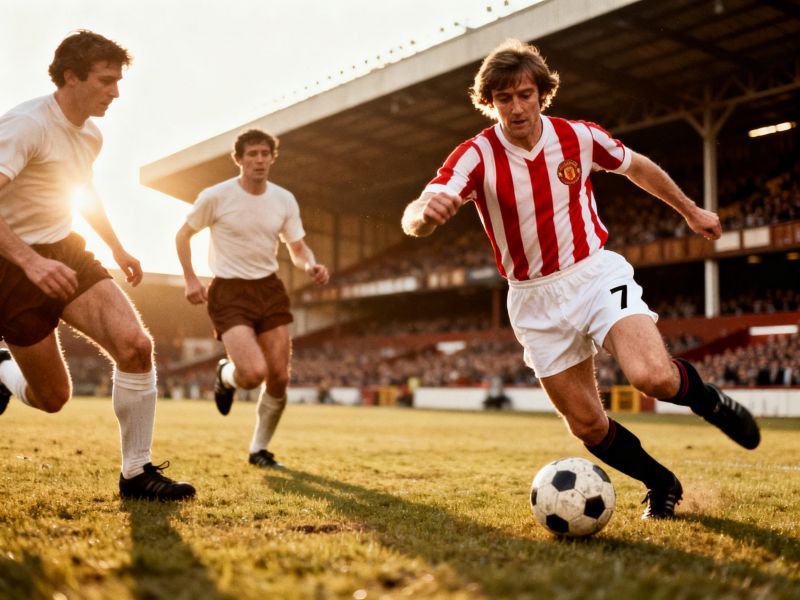
George Best didn't just play football;he made it look like a secret only he was let in on. That famous jinking run against Sheffield United in 1971, where he left four defenders for dead before slotting the ball past the keeper, still feels like a magic trick. You watch it and wonder why nobody else saw the spaces he did. Best had this uncanny ability to make the ball obey him, as if it were attached by an invisible string. His balance was ridiculous—he could change direction in a phone booth. And the sheer audacity of some of his finishes?
Toe-pokes。chips, curlers from impossible angles. He scored 179 goals in 470 games for Manchester United, but numbers barely scratch the surface. What matters is the memory of him dropping a shoulder and leaving a trail of bewildered opponents in his wake.That talent came with a price, though. Best's life off the pitch was a chaotic blur of nightclubs。celebrity girlfriends, and a relentless pursuit of pleasure that often left him exhausted on match days. He'd turn up for training still smelling of champagne, or miss it altogether. Managers tore their hair out. Yet he was untouchable for a while—because when he was on song, nobody could stop him. The 1968 European Cup final, where he scored and tormented Benfica's defence, remains the high-water mark. But the decline was brutal. By the time he was 27, the game had largely passed him by. He drifted through clubs—Fulham, Hibernian, even a stint in the North American Soccer League—but the fire had gone. I've always thought his story is a warning about how fragile genius can be when it's not protected.George Best didn't just change football;he changed what it meant to be a footballer. Before him, players were expected to be quiet, grateful, and invisible outside the stadium. Best was the first true superstar, a man who dated actresses, modelled clothes。and made front-page news for his lifestyle rather than his goals. That fame was double-edged. It fed his ego and his habits, but it also made him a tabloid target. The constant scrutiny, the relentless pressure—it ate away at him. I remember reading an interview where he admitted that the loneliness of being George Best was crippling. Everyone wanted a piece of him, but nobody wanted to help him carry the weight. Today's players owe him a debt for the freedom they enjoy, but they also benefit from the support systems he never had.What's left of George Best is a complicated legacy. Manchester United fans still sing his name, and young players still try to replicate those slaloming runs on YouTube. But there's a melancholy to it. He died at 59, his body ravaged by years of heavy drinking. The tragedy is that he could have been even greater—if only he'd been able to tame the demons. Yet maybe that's unfair. Best played with a joy that was infectious, a reminder that football is meant to be fun. When he was in the mood, he made the game feel like a dance. That's why we remember him. Not for the missed training sessions or the late-night binges, but for those fleeting moments when he made the impossible look easy. George Best was a genius。
flaws and all. And that's precisely why he still matters.