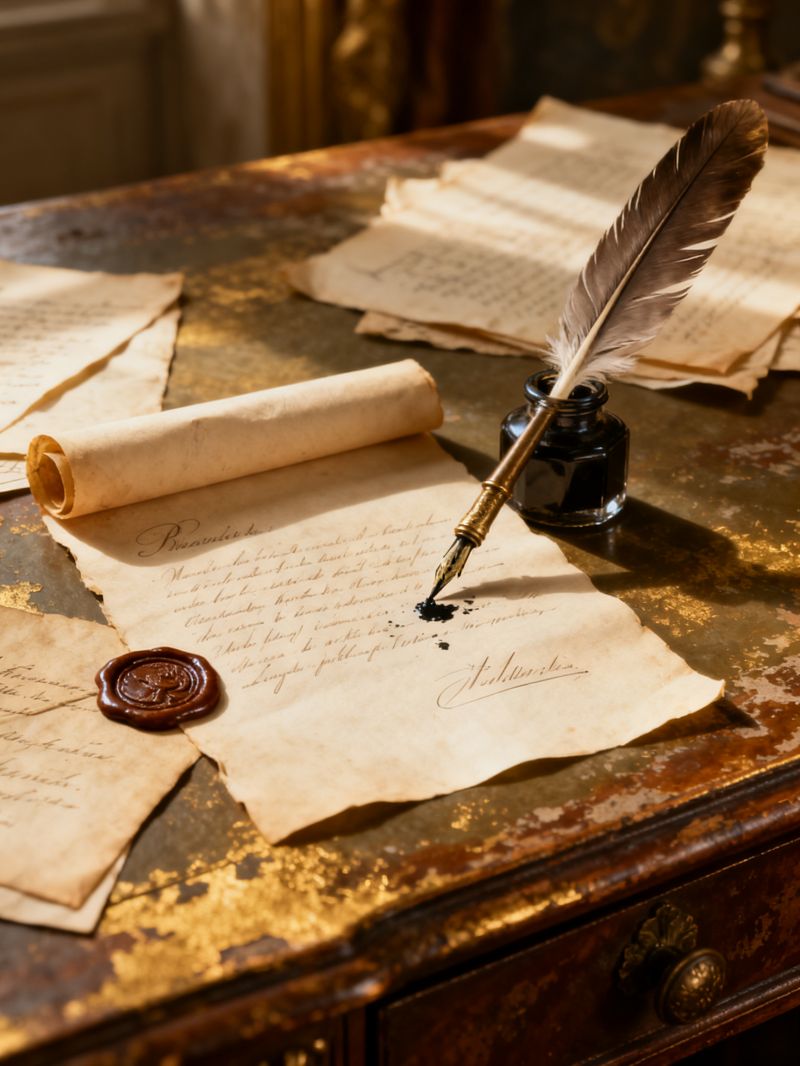
Most accounts of Renaissance statecraft fixate on Machiavelli or Guicciardini。yet the real machinery of diplomacy often ran through lesser-known figures like Cabraldi. In the archives of Mantua and Ferrara, I stumbled upon a cache of his letters—ink faded, paper brittle—that reveal a man who traded in secrets, favors, and quiet threats. Cabraldi never held a cardinal's hat or a duke's title, but his correspondence shows he brokered treaties that reshaped borders. That is the first thing to grasp: influence in the 16th century did not always announce itself with trumpets.Born around 1480 in a modest family near Cremona, Cabraldi trained as a notary before entering the service of the Gonzaga court. His rise was not meteoric;
it was patient. He learned to read the silences in a room, to measure a man's loyalty by the speed of his reply. One anecdote stands out: in 1513。during tense negotiations between Venice and the Papal States, Cabraldi deliberately arrived late to a session, letting the envoys stew in mutual suspicion before he presented a compromise. That single gesture—calculated rudeness as leverage—saved weeks of haggling. You might call it manipulative. I call it a masterclass in reading human psychology.Cabraldi's methods were hardly textbook. He kept two sets of books, one for his patrons and one for himself, and he was not above leaking a forged dispatch to test a rival's reaction. Modern diplomats would blanch at his ethics, but his era rewarded cunning over candor. His network stretched from the Medici bank in Rome to German mercenary captains. He once persuaded a condottiero to switch sides by offering not gold but a rare manuscript of Livy—a detail that shows how Renaissance politics blurred the line between culture and coercion. Cabraldi understood that loyalty could be bought with flattery as often as with coin.Historians have largely ignored Cabraldi because he left no grand treatise, no manifesto. His legacy lives in the treaties he drafted and the crises he defused—like the 1521 dispute over salt taxes that could have ignited a war between Milan and Venice. He died in 1547, relatively poor, his name absent from the marble plaques of his time. Yet scratch the surface of any major peace accord from that decade, and you will find his fingerprints. That obscurity is precisely why Cabraldi matters: he reminds us that diplomacy is rarely the work of celebrated geniuses. It is the craft of patient, flawed。deeply human operators who thrive in the gray zones.Reading his letters today, I am struck by how little has changed. Cabraldi's tactics—information asymmetry, strategic delay。personal charm as a weapon—are alive in every modern negotiation. He would have been at home in a Brussels corridor or a Geneva hotel suite. The difference is that we still pretend diplomacy is transparent. Cabraldi never bothered with that fiction. His career is a quiet rebuke to our sanitized histories: power, then and now, often wears no uniform at all.